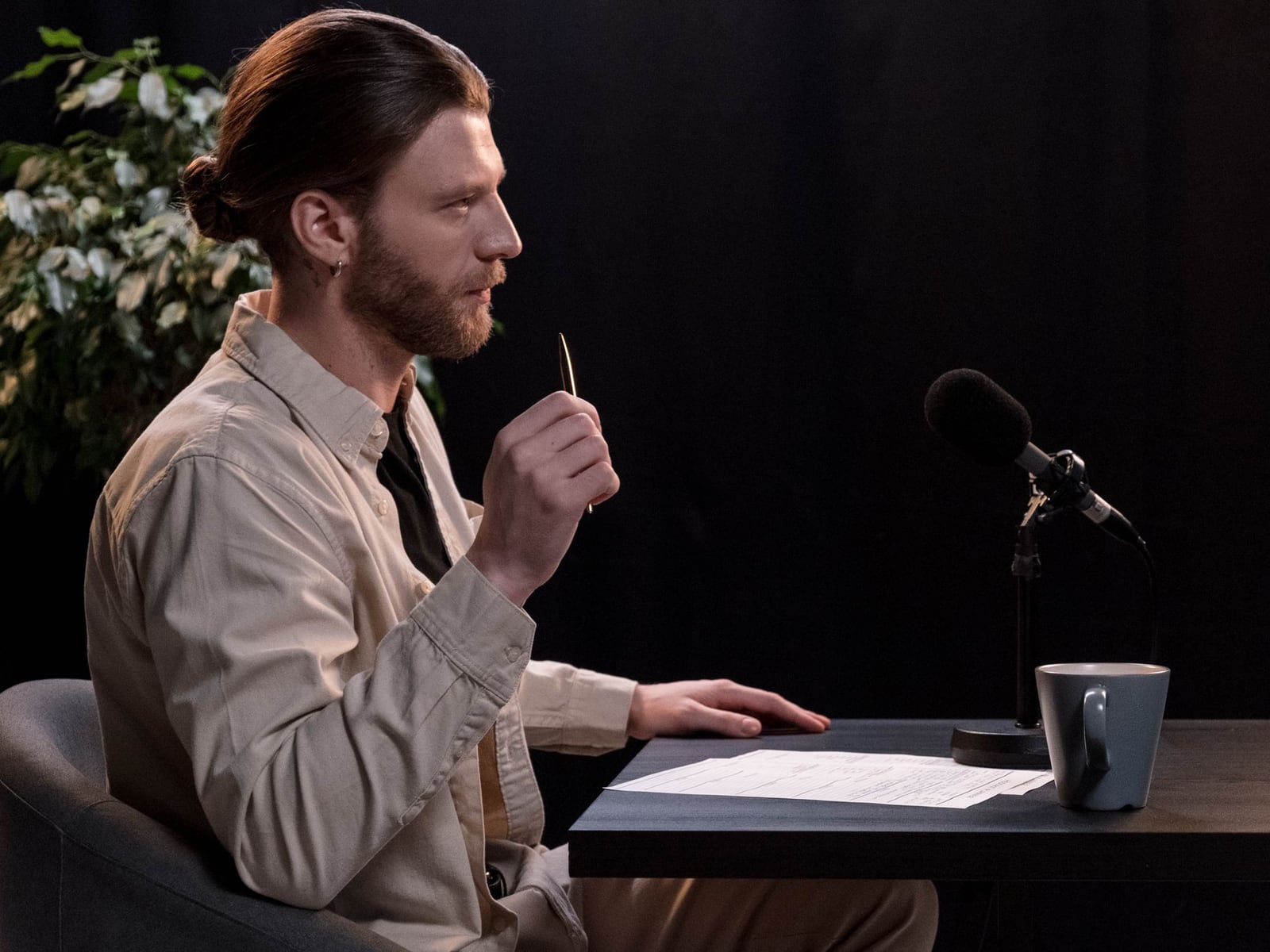
Employee Interviews: From Preparation to Success
Interviews with employees—the true "face" of a company—are powerful tools for recruitment branding and building external trust. However, simply asking a list of questions often results in superficial, scripted answers. To uncover authentic stories that resonate with readers, a strategic approach to preparation is essential. This guide outlines the concrete steps to move beyond the surface and capture the human element of your business.
1. Defining the Core Objective
The first step in preparation is defining exactly "who" you want to reach and "what" you want them to feel. If the goal is graduate recruitment, the focus should be on growth, challenges, and the transition from student to professional. If the aim is to increase B2B reliability, the conversation should delve into professional philosophies and specific problem-solving approaches.
Without a clear objective, the final piece often becomes a vague collection of statements. Before the interview, set a goal: "After reading this, the audience should perceive the subject as [X] and the company as [Y]." This clarity ensures the narrative remains focused and impactful.
2. Pre-Interview Research and Hypothesis
Entering an interview blind is a missed opportunity. Review the subject's professional history, internal achievements, or any public contributions they have made. By forming a hypothesis—such as "This person likely overcame a significant technical hurdle during the 2023 project"—you can ask high-precision questions that show the subject you value their specific contribution.
For companies operating in business hubs like Naka-ku, Nagoya, incorporating local context can add depth. Understanding how a professional navigates the specific commercial customs of the Aichi region or builds relationships within the local ecosystem helps create a grounded, authentic story that feels real to the local community.
3. Designing the "Ask": The Power of Open Questions
Avoid closed questions that result in "yes" or "no" answers. Instead, utilize open-ended questions that prompt the subject to explain "how" or "why." The goal is to capture the moments where emotion was involved—conflict, joy, or surprise.
- Avoid: "Do you enjoy your work?" → Result: "Yes, I do." (End of story).
- Prefer: "What was the most challenging moment in your first year, and how did you navigate it?" → Result: A detailed narrative of struggle and resolution.
While a list of prepared questions is necessary, the most valuable insights often come from "follow-up" questions triggered by the subject's spontaneous answers. Be ready to deviate from your script to pursue an interesting lead.
4. Establishing Psychological Safety
An interview should feel like a conversation, not an interrogation. Creating an environment where the subject feels relaxed is the fastest way to elicit honest answers. This is especially important for busy executives or engineers who may view the interview as an additional burden on their schedule.
Begin by expressing genuine respect for their time and explaining why their specific perspective is needed. Clarify that there are no "correct" answers and that you are interested in their honest thoughts. When using recording equipment, ask for permission politely and ensure you maintain eye contact rather than staring at your notes; this builds the rapport necessary for a deep dive.
5. Storytelling Checklist
During the interview, ensure you have gathered the following elements. These components transform a simple transcript into a compelling narrative.
| Element | Key Information to Capture |
|---|---|
| Motivation & Background | Why they chose this career; expectations vs. reality. |
| Turning Points | Specific events that changed their perspective or a failure they overcame. |
| Definition of Success | What "good work" means to them personally; sources of fulfillment. |
| Future Vision | Goals for the next few years; expectations for the company or juniors. |
6. Post-Interview Review and Structuring
The moments immediately following an interview are critical. Before reviewing the audio recording, note the non-verbal cues: when did the subject's eyes light up? Where did they hesitate? These nuances provide the "spice" that makes a written article feel alive.
Once the data is gathered, structure the episode into a narrative arc. The professional editor's role is not to transcribe verbatim, but to reconstruct the conversation into a context that the reader can empathize with. This process of synthesis is where the true value of professional editorial services lies.
Conclusion: Success is in the Preparation
The quality of an employee interview is determined long before the recording starts. It is a direct result of the depth of your research and the precision of your objectives. By showing genuine interest and asking the right questions, you can reveal the passion and culture that define your organization.
If you find it challenging to maintain an objective perspective or struggle to turn raw interviews into polished stories, consider our Corporate Stories & Interviews service. We provide the external eye needed to articulate the "hidden" strengths of your team.
For those managing internal writers and wondering how to provide better direction, we also recommend our guide on how to write an effective brief for writers.
Common Questions About Interview Preparation
How much time should be allocated for an interview?
We generally recommend 60 to 90 minutes. This typically includes 10 minutes for introduction, 40–60 minutes for the core discussion, and 10 minutes for closing. Shorter sessions often fail to reach the deeper, more emotional narratives.
What should I do if the subject is not talkative?
Use "probing" questions such as "Could you give me a specific example of that?" or "How did that make you feel at the time?" Additionally, presenting a hypothetical scenario and asking "Has something similar happened to you?" can help trigger forgotten memories.
For consultations regarding interview design or content production, please feel free to contact us.
Contact Form